Angelline: A Romantic Font That Elevates Small Business Branding
I was sitting at my kitchen table last Tuesday evening, staring at a stack of plain kraft labels I had printed for my small candle business. The labels were functional but forgettable. The font I had been using—a generic sans serif I downloaded years ago—was doing nothing to communicate the warmth and care I pour into every soy wax candle. I needed a change. I needed a typeface that felt like me. That is when I found Angelline, and honestly, it shifted how I think about every piece of customer-facing material I create.
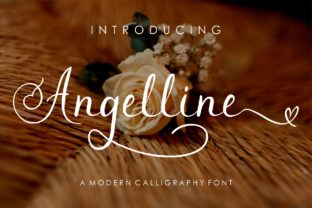
Angelline is a romantic script font that comes packed with alternates and swashes. It is not just another pretty typeface. It has personality, movement, and a kind of graceful confidence that makes even a simple thank-you card feel special. For small business owners like me, choosing the right font is not about decoration—it is about communication. It tells your customer who you are before they read a single word. And Angelline says elegant, thoughtful, and worth the splurge.
Why a Font Like Angelline Matters for Your Business Materials
When you run a small business, every detail counts. Your product labels, your shop banners, your Instagram graphics, and your packaging all work together to build a brand identity. If your typography is inconsistent or uninspired, your brand feels the same way. Angelline brings a cohesive, polished look that ties all those pieces together. It is the kind of font that makes customers pause, read your label twice, and remember your name.
I tested Angelline on several real projects before deciding to commit. First, I used it for the main headline on a new candle label. The script has lovely flow and natural rhythm, and the included swashes let me add a delicate flourish under the scent name. On a 2-inch by 3-inch label, it remained surprisingly readable. The letterforms are open and well-spaced, so even at a small size, nothing gets muddy. That is a huge win for product packaging where space is tight.
Next, I designed a set of thank-you cards to slip into orders. Using Angelline for the greeting and a simple sans serif for the body text created a beautiful contrast. The thank-you cards looked like they came from a boutique rather than a kitchen table operation. That is the power of a premium font. It elevates your perceived value instantly.
Where Angelline Shines in Real Business Use
Angelline is a display font at heart, meaning it performs best when used for headlines, logos, short phrases, packaging titles, and decorative accents. It is not designed for long paragraphs. But for the moments where you want to make an impression, it is outstanding. Here are a few places where I found it truly transforms the design:
- Logo design and wordmarks: The alternates and ligatures let you create a custom look. I used Angelline for a friend's small bakery logo, swapping in a swash on the final letter of the name. It looked bespoke and handcrafted—exactly right for a bakery brand.
- Product labels and packaging: Whether you sell candles, skincare, coffee, or handmade soap, Angelline adds a luxurious feel. I tried it on a kraft paper tag for a honeysuckle candle, and the combination of rustic paper and elegant script was perfect.
- Menu boards and café signage: A local café owner I know used Angelline for their seasonal drink specials menu. The script gave the board a charming, handwritten feel without sacrificing professionalism. Customers commented on how lovely the menu looked.
- Business cards and stationery: Business cards are often the first physical touchpoint with a customer. Using Angelline for your name and a clean sans serif for contact details creates a card that feels memorable and high-end.
- Social media graphics and online shop banners: On Instagram and Etsy, you have seconds to catch someone's attention. Angelline works beautifully for quote graphics, sale announcements, and hero text in banner images. The romantic style stops the scroll.
- Thank-you cards, stickers, and inserts: These small touches build customer loyalty. A simple "thank you" in Angelline with a small floral illustration makes your packaging feel like a gift.
I also tested it on a mockup for a boutique clothing tag. The tag was small—about 1.5 inches by 3 inches—and Angelline held its own. The swashes did not crowd the design, and the brand name stayed legible and elegant. For any handmade seller or boutique owner, this font is a serious asset.
Pairing Angelline with Other Fonts for a Balanced Look
One of the smartest things you can do with a decorative script like Angelline is pair it with a simpler supporting typeface. The contrast between a flowing script and a clean sans serif or a understated serif creates visual hierarchy and makes your design easier to read. Here are a few pairings I tested and recommend:
- Clean sans serif: A modern sans serif like Montserrat or Open Sans works beautifully for body text, prices, ingredient lists, and contact info. The script provides the personality, and the sans serif provides the clarity.
- Elegant serif font: For a more traditional or editorial feel, pair Angelline with a serif like Playfair Display or Lora. This combination works well for branding that targets a sophisticated audience, such as wedding stationery or premium food products.
- Simple handwritten font: If you want a casual but cohesive look, a simple handwritten font can complement Angelline without competing. Just keep the secondary font neutral so Angelline stays the star.
- Modern typography style: You can also pair Angelline with a condensed sans serif for a contemporary feel. I tried this on a flyer design, and the contrast felt fresh and current.
The key is to use Angelline for the hero elements—your business name, your main headline, your decorative accents—and let a more restrained font handle the supporting text. That balance ensures your design remains professional and readable across all formats.
Readability and Practical Advice for Different Formats
Because Angelline is a script font with alternates and swashes, readability depends on where and how you use it. Here is what I learned from testing it on real materials:
- Small labels and tags: At sizes below 14 points, the finer details of the swashes can become difficult to read. Stick to using Angelline for the main brand name or product title at a larger size, and use a simpler font for the fine print. On a 2-inch label, I kept the font size at 18 points for the headline, and it was perfectly legible.
- Mobile screens and social media: On Instagram stories and mobile banners, Angelline reads well at medium to large sizes. Avoid using it for lengthy captions or small text that viewers will see on a phone screen. Save it for the line that matters most.
- Printed packaging and boxes: On a bakery box or a product sleeve, Angelline adds that premium feel. Just make sure to test a printed sample before committing to a large run. The ink spread on certain paper stocks can affect fine swashes, so a quick proof is worth the time.
- Online shop visuals: For Etsy banners or website hero sections, Angelline works beautifully when paired with plenty of white space. Let the letters breathe. Crowding the design with too many decorative elements will overwhelm the script.
If you are new to using script fonts in branding, my advice is to start small. Use Angelline for one or two key elements—your logo or your packaging headline—and build from there. As you grow more comfortable, you can explore using its alternates to create a truly unique wordmark.
What to Check Before You Buy and Use Angelline
Before you download and start designing, take a moment to review what is included in the font package. Angelline comes with alternates, ligatures, and swashes, which give you creative flexibility. Make sure you are comfortable accessing those features in your design software. Most modern programs like Adobe Illustrator, Canva, and Affinity Designer support OpenType features, but it is worth confirming your workflow handles them smoothly.
Also check the file formats. You will typically get OTF and TTF versions, both of which work across Mac and Windows systems. If you plan to use Angelline on a website, verify that the license covers web embedding if needed. For commercial use on products, packaging, merchandise, client work, or digital downloads, you need to purchase a commercial license. Always read the licensing details before you start selling items that feature the font. That small step protects your business and respects the designer who created Angelline.
Finally, confirm whether the font includes multilingual support if your audience speaks languages beyond English. Some script fonts have limited character sets, and you do not want to discover that halfway through designing a bilingual label. Angelline includes a solid range of characters, but it pays to check the font map beforehand.
Typography is one of the most cost-effective ways to upgrade your brand. A single font can transform how customers perceive your products, and Angelline is one of those rare typefaces that makes you look more polished, consistent, and memorable without a complete rebrand. Whether you are refreshing your packaging, designing a new logo, or creating a cohesive look across your online shop and social media, Angelline delivers the elegance and warmth that small businesses need to stand out.